
Insurance for Almond Processing Facilities
Packing Houses, Hullers & Shellers
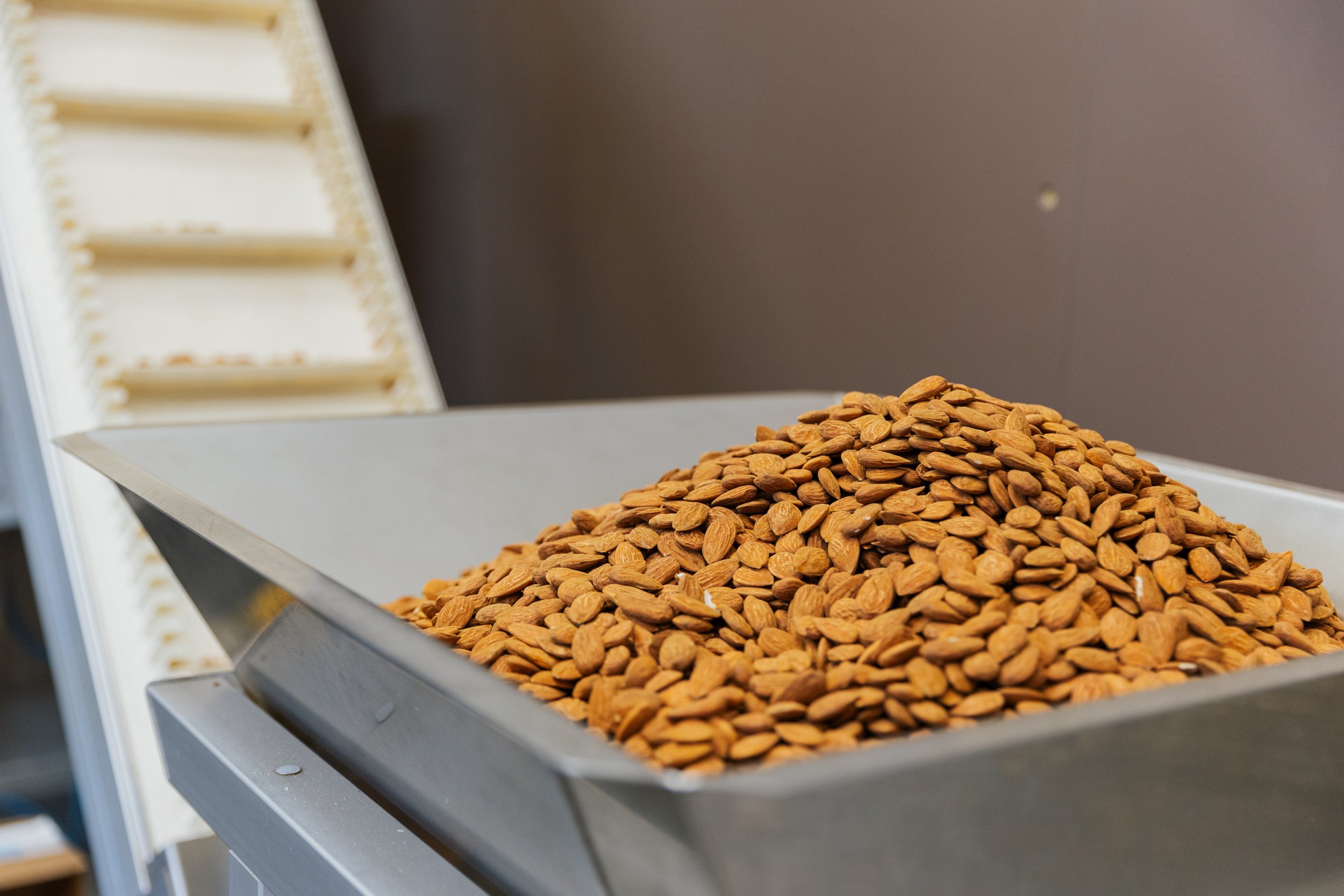
Almond hulling, shelling, and packing operations sit at the critical midpoint between orchard harvest and market-ready product. Facilities handle high volumes of grower-owned and owned inventory under intense seasonal pressure, using specialized machinery that cannot easily be replaced mid-season. The right insurance program protects the buildings, equipment, product in process, liability exposures, and the cash flow of the business when a loss occurs at the worst possible time.

What Coverage Typically Looks Like
Commercial Property — Covers the huller/sheller structure, packing shed, bin systems, conveyors, silos, and warehouses. Replacement cost valuation is essential; processing facilities often depreciate on paper faster than the true cost to rebuild. Dust and combustible organic material create elevated fire and explosion exposures that underwriters scrutinize closely.
Equipment Breakdown — Standard property covers fire damage to a huller or sheller but not mechanical or electrical failure (bearing failure, motor burnout, belt breakage). Equipment breakdown coverage responds to these perils and can address resulting product spoilage and business interruption—critical during the concentrated August–November window.
Stock, Inventory & Bailee Coverage — Almonds on the premises are frequently grower-owned product in the facility’s care, custody, and control. Coverage must address both owned and non-owned stock. Bailee or warehouse operators legal liability forms are often needed when holding product belonging to others.
Product Liability / Products & Completed Operations — Protects against claims from contaminated, adulterated, or improperly processed almonds, foreign material, or allergen issues once product leaves the facility. Many programs also address product recall expense.
Business Income / Business Interruption — Replaces lost income and continuing expenses if a covered loss shuts down operations. Limits and waiting periods must reflect that a mid-season outage can strand an entire crop and cancel contracts.
Workers’ Compensation — Nut hulling, shelling, and processing is commonly classified under a specific code (e.g., 0096 in California). Hazards include moving machinery, conveyors, dust, noise, and repetitive motion. Proper classification and safety programs help control claims and premium.
General Liability & Umbrella — Premises and operations liability, plus higher limits via umbrella or excess coverage for catastrophic third-party claims.

Coverage Gaps That Are Easy to Miss
• Huller/sheller insured only for fire, not mechanical breakdown — the most common gap on almond processing accounts. A motor or bearing failure at peak season is an equipment breakdown claim, not a property claim.
• Facility and equipment undervalued — structures, conveyors, and bin systems scheduled at outdated values. The gap between scheduled amount and actual replacement cost after a fire can easily run $150,000–$350,000 or more.
• Inadequate coverage for grower-owned product — missing or insufficient bailee / care-custody-control limits leave the facility exposed when customer almonds are damaged or destroyed on site.
• Business interruption limits or periods too short — a two- or four-week outage during the concentrated processing season can produce losses far beyond a standard policy’s assumptions.
• Product liability or contamination gaps — standard CGL may not fully address food-product claims, foreign material, or the cost of a recall and related expenses.
• Dust explosion and fire protection shortfalls — underwriters may restrict coverage or charge higher rates if explosion protection, housekeeping, and dust control do not meet current standards.
• Incorrect classification of the operation — treating a commercial huller/sheller or packing plant as pure farm property can leave processing exposures underinsured or excluded.
• Outdated equipment schedules and ownership changes — new lines, expanded capacity, or changes in entity structure that are not reflected on the policy create gaps at claim time.
Why the Right Coverage Matters
Almond processing is highly seasonal and capital-intensive. A fire, mechanical failure, or contamination event during the peak hulling and packing window can strand grower deliveries, breach contracts, destroy high-value inventory, and idle specialized machinery that cannot be quickly replaced. Proper coverage—especially equipment breakdown, adequate property values, bailee protection for grower product, product liability, and meaningful business interruption limits—preserves the ability to recover, fulfill obligations, and reopen for the next season. An annual pre-season review with an agent experienced in agricultural processing and food-related risks is one of the most effective steps a huller, sheller, or packing facility can take.
This page is intended as general educational information only and does not constitute insurance advice, a quote, or a recommendation of any specific policy or carrier. Coverage needs vary by facility size, ownership of product, location, and equipment. Consult a licensed insurance professional familiar with almond processing, food manufacturing, and agricultural facility exposures to design a program tailored to your operation.
“I have been consistently impressed by the level of attention Colbie and his team provide to us for our insurance needs. insureCAL does an incredible job providing detail for our complex needs. I recommend insureCAL to my clients because i know they'll be taken care of.”
- Caleb L. Jenkins